This guide offers details about the Antigua and Barbuda real estate market: current market trends, costs involved, taxation pitfalls, legal tips.
We will guide you through the step-by-step process of property acquisition. You will also get everything you need to know about getting Antigua citizenship via real estate investment.
Exploring Antigua and Barbuda Real Estate Options
The real estate market of Antigua and Barbuda is full of a variety of options for any taste:
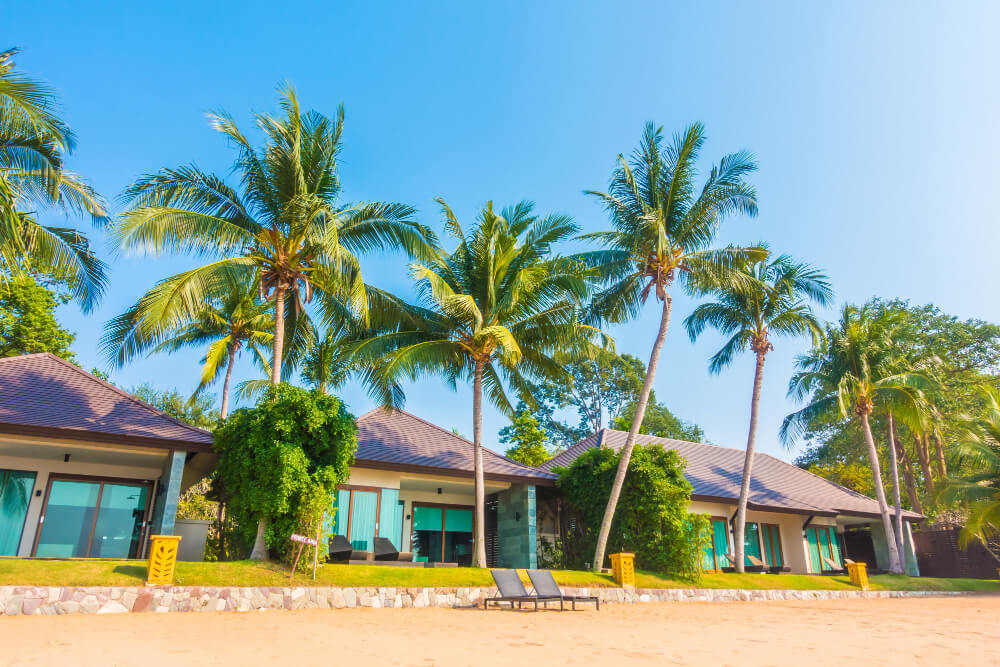
- Villas: luxurious condos and villas with open concepts offering swimming pools and terraceal al fresco dining spaces or dining terraces.
- Condominiums: This type of property is usually equipped with swimming pools, gyms, small tropical gardens, and places to get together and celebrate stunning sea events.
- Land: parcels of undeveloped land of various sizes, which could be used to build a luxury resort or private home.
- Commercial Real Estate: various offices and warehouse spaces to run a business.
Choosing where to buy is just as important as deciding what to buy. Different areas offer various lifestyles, which influence the cost of property investments. Consider these top locations:
Jolly Harbour
Jolly Harbour is located on the west coast of Antigua. Featuring beach homes and swimming pools, this gated community is a top destination with many amenities such as a marina, stores, and dining, perfect if you seek convenience and luxury.
This area offers you picturesque sea views and unprecedented privacy.
The property’s prices start from USD 650,000 in this area.
English Harbour
This part of the island is partially hidden in a beautiful tropical forest. English Harbour is close to a seashore and to the famous Turtle Bay Beach with exceptional sea views. There are a lot of real estate property objects with modern amenities available.
The minimum guide price for this area starts from USD 325,000 for a small villa.
Nonsuch Bay
Another popular location for property investment is Nonsuch Bay, which is located in the north of Antigua.
This bay gives you access to a few square miles of sandy beaches and exceptional ocean views.
The prices in this part of the island start from USD 400,000.
Exploring Benefits of Antigua and Barbuda Real Estate

Taxation Benefits
There are a lot of taxation perks Antigua and Barbuda can offer to high-net-worth individuals and perpetual travelers. Antigua is known to be a safe tax haven to preserve generational wealth.
- No capital gains tax;
- No wealth tax;
- No inheritance tax;
- No personal income tax;
- No tax on dividends;
- No tax on royalties.
At the same time, payments from Antigua to non-resident individuals or companies are subject to additional withholding tax in the amount of 12.5%. This approach is similar to other Caribbean countries. For instance, the withholding tax rate of Antigua is lower than in Dominica (15%).
Good Infrustructure
Antigua and Barbuda offers a good infrastructure for those wishing to relocate here permanently.
The newly opened VC Bird International Airport Terminal provides good connectivity between the island and top destinations like the UK, the USA or Canada.
Antigua is a safe place to relocate with kids. There are international schools, private and public hospitals with modern facilities.
Protection of Foreign Investments
Protection of foreign investments is the main priority for the Government of Antigua and Barbuda.
There are several bilateral investment treaties between Antigua and the United Arab Emirates, the UK, and Germany.
Antigua and Barbuda is also a party to regional investment agreements and treaties, including CARICOM. A citizen of Antigua can freely establish a business and make investments without any limitation in other member states of CARICOM. Foreign investments made to the island are protected at the same level as local investments.
Foreign investments in Antigua are protected against expropriation or nationalization.
By virtue of the State Immunity Act, the decision of the foreign court against Antigua and Barbuda should be recognized in full by the local court of Antigua and Barbuda.
Stable Political Environment
Antigua and Barbuda offers a stable political and economical environment for foreigners planning to relocate to the island permanently. According to Organized Crime Index, Antigua has the lowest crime rate – 2.98/10.

Paradise Island
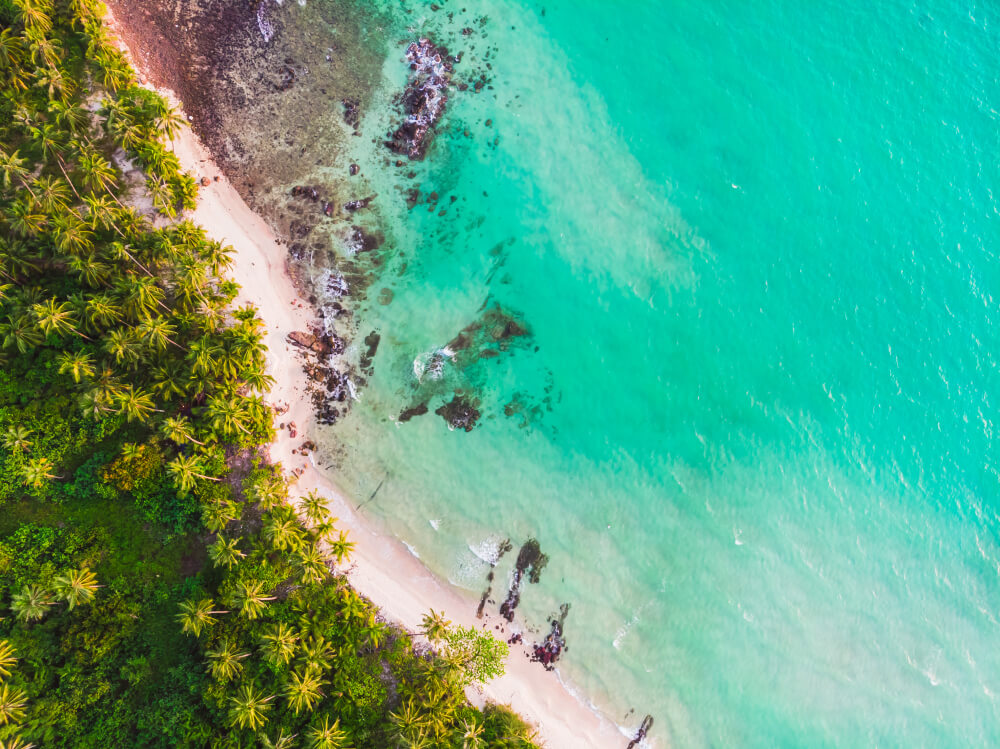
The dual-island nation has lovely views and crystal clear waters. The weather conditions are ideal, creating a tranquil escape for anyone hoping to invest in real estate. Almost every residential unit on the island is surrounded by tropical gardens.
Antigua’s beaches are included in the Top-50 best beaches of the world.
Understanding the Costs and Fees
Before investing in property in Antigua and Barbuda, it’s crucial to understand all potential costs. If costs are overlooked,, you could end up dealing with a very unexpected financial burden.
Non-CitizenLandholding License
When a foreigner or foreign company wishes to purchase or lease a parcel of land in Antigua and Barbuda, they need to obtain a Non-Citizens Landholding License (‘License’).
Investors who purchase Antigua and Barbuda real estate as a part of the citizenshipship by investment program are exempted from obtaining such a license.
The Non-Citizens Landholding Regulation Act 2020 defines other cases when a foreign citizen or company isexempted from obtaining the license:
- any lease of land for the period of less than 5 years.
- lease of land for the purpose of residence, business,, or trade, provided the size of land is a 5-5-acre plot or less.
The license e differs depending on whether it is a freehold or leasehold:
- Freehold—7%fhe market value of land.
- Leasehold for more than 99 years—7%om the market value of land.
- Leasehold for less than 99 years—6%he market value of land.
- Leasehold for less than 10 years—3%om the market value of land.
Land Value Appreciation Tax
If a foreigner wishes to sell, gift,, or dispose of land in any other way, a land value appreciation tax applies to such a transaction.
The tax rate in the amount of 5 applies towards the difference in the land’s value at the moment of acquisition and the moment of disposal.
There is no exemption for paying the tax nless the ownership is transferred in the course of inheritance.
Annual Property Tax
The property tax is levied on all owners of real estate. It doesn’t matter whether you are a tax resident or citizen, since this tax applies to all.
The tax rate depends on the property type and purpose of usage. The tax is imposed on both the land and the real estate being constructed on it.
According to the Property Tax Act, 2000, the annual property tax is paid in two installments:
- At least 50 of all sums due should be paid by the 31st31st of March.
- The rest of the sum due should be paid by the 30th30th of June of the of the same year.
Not paying an annual property tax is a serious offense. You won’t be able to dispose of your property in the future unless the property tax is being paid in full, which is confirmed by a Certificate of Tax Clearance.
The property’s tax is from 0.1 to 0.5 of he property’s value. The tax rate fluctuates depending on the type of property (residential or commercial).
Stamp Duty (Sales Property Tax)
The stamp duty is regulated by the Stamp Act of Antigua and Barbuda. The stamp duty applies towards:
- any transfer of leasehold over the property;
- any transfer of freehold over the property.
The law prescribes certain exemptions where the stamp tax could be avoided:
- transfer of property from the owner to their child or grandchild; or
- transfer of property between married couples.
Seller: 7.5 of he property’s value
Buyer: 2.5 of he property’s value
Professional Commissions
Almost all real estate sales involve a real estate agent to promote properties available, as well as lawyers advising you through the process of acquisition.
The average expenses for professional commissions vary between 5% and 7 7% of he property’s value; however, they, they might be higher if the sale-purchase involves certain complexities.
Additional Expenses
It is typical to insure the real estate against any risk. The typical insurance rate amounts to 1-2% of the property’s value and is not mandatory for Antigua and Barbuda.
If you are not planning to live on the island, you might need someone to look after your property while you are away. There are a number of professional maintenance companies available on the island. The annual maintenance fee usually amounts to 10% of the property’s value. The exact rate depends on the number of square feet, property type, and other factors.
Navigating the Purchase Process for Antigua and Barbuda Real Estate
Getting a house in Antigua and Barbuda could be a hassle-free process if you are aware of every step and all hidden pitfalls.
The step-by-step guide below explains the process of purchase of real estate outside of citizenship by investment program. The real estate investment as a part of the citizenship application process is explained in the next chapter of this guide.
Choose Dream Property Wisely
Even though the whole purchase process could be done remotely, it is highly recommended to come to the island in person.
It is highly recommended to hire a professional real estate agent or broker who will guide you through the whole process of choosing the best option.
Since the purchase of the property is not connected to the Citizenship by Investment program, you get access to the open market of real estate. It basically means that you can acquire any property you like, and not only CBI-approved real estate objects.
The property’s prices vary significantly, as it depends on your taste—access to a fantastic ocean, ocean views, or a private swimming pool with a nice dining terrace. The prices range from USD 400,000 and up.
The property market is booming, and there are a lot of options to choose from. If there is no right option for you, you can build your house. The construction price starts from USD 200 per sq ft and could reach up to USD 1,000. This depends on the complexity of construction works as well as materials used.
When it comes to building your own home, foreign owners of undeveloped land are subjected to increased annual property tax in the amount of 10% to 20% of the land’s value.
Make Due Diligence
When the choice is made, it is a usual practice to put a deposit in order to book the property. Usually the deposit amounts to 10% of the property’s value.
Once the reservation is done, it is time to make a thorough due diligence of the property’s title. This is where professional legal advice is highly recommended. The following details should be checked:
- any third parties’ titles attached to the property (e.g., mortgages or encumbrances).
- existing lease or tenancy over the property.
- existing building limitations.
- debts related to the property (e.g., unpaid annual property tax).
- any pending litigations involving the property’s title.
Apply for Non-Citizens Landholding License
The next step is to apply for a Non-Citizens Landholding License. The said License is not required however for real estate investment as a part of citizenship by investment application process.
The process of obtaining the License usually takes up to a few months. The conveyance on sale of the property to a foreigner cannot be registered without the said License.

Close the Deal
When all formalities are done and the License is obtained, the parties can move towards closing the deal. It means ensuring the following:
- evaluation report preparation;
- signing the principle sale-purchase agreement;
- paying transfer tax (stamp duty) by both parties to the Island Revenue Department; and
- paying registration fees for transfer of property’s title
The process of registration of the new owner and transfer of title can take some time, therefore be ready to wait for a few more months.
The Citizenship by Investment Program (CIP)
General Requirements
In order to be eligible for the citizenship by investment program, the main applicant should be able to meet the following requirements:
- Be at least 18 years of age;
- be in good health and sound mind;
- has a clean criminal record;
- Be able to provide legal proof of funds for the investment;
- not being a citizen of a restricted country (e.g., North Korea, Palestine, Yemen, Russia, or Belarus).
There is no residency or language test you need to pass in order to be eligible for the citizenship by investment program in Antigua and Barbuda.
Advantages of Antigua and Barbuda Citizenship
Antigua and Barbuda’s citizenship by investment program offers a lot of advantages for international investors and their families.
Antigua’s passport opens a world of possibilities, including global mobility to over 150+ countries. You can discover Europe, Latin America, South Africa, Hong Kong, China, and many other countries visa-free.
The CBI program of Antigua allows you to secure a second citizenship for all your family—spouse, children, parents, grandparents, and even siblings. The citizenship by investment program of Antigua is known to be the best passport program for big families.
The country offers a wide selection of investment options, including investment in Antigua and Barbuda real estate. Real estate investment is the first most popular option as of 2024.
Application Process
Preparation of Documents
Most probably the process of collection of necessary documents would take a few months. If you make an investment in Antigua and Barbuda real estate, you need quite some time to select the property of your dreams.
Once all documents are ready, they should be submitted to the Citizenship by Investment Unit by a local agent or their sub-agent, like Inter Citizen.
Background Checks
At this stage the Antigua Citizenship Unit examines your application thoroughly to make sure that all provided data is accurate and complete. The Citizenship by Investment Act, 2013, establishes a 90-day period for such an examination.
Every applicant 16 years of age will be invited for an additional interview, which is a part of the due diligence process. The interview takes place online.
Decision of the Citizenship Unit
Once the review process is finished, the Citizenship Unit has the right to adopt either of the following decisions:
- approval in principle;
- denial of application;
- Delay for cause.
If approval in principle is granted, an applicant has 30 days to finalize the investment.
It means that the full purchase price should be transferred to the seller and proof of payment should be presented further to the Citizenship Unit. If it is a real estate development, in that case money should be transferred to the escrow account of the respective developer.
Issuance of Citizenship
The last step is to take an oath at an official ceremony. The ceremony takes place offline in the Antigua Embassy abroad, close to the location of the applicant. After that, the certificate of citizenship is produced within a few weeks.
The certificate of citizenship should be further submitted to the passport authorities in order to produce a passport (travel document).
Once the passport is ready, it will be mailed to any location of your choice worldwide.